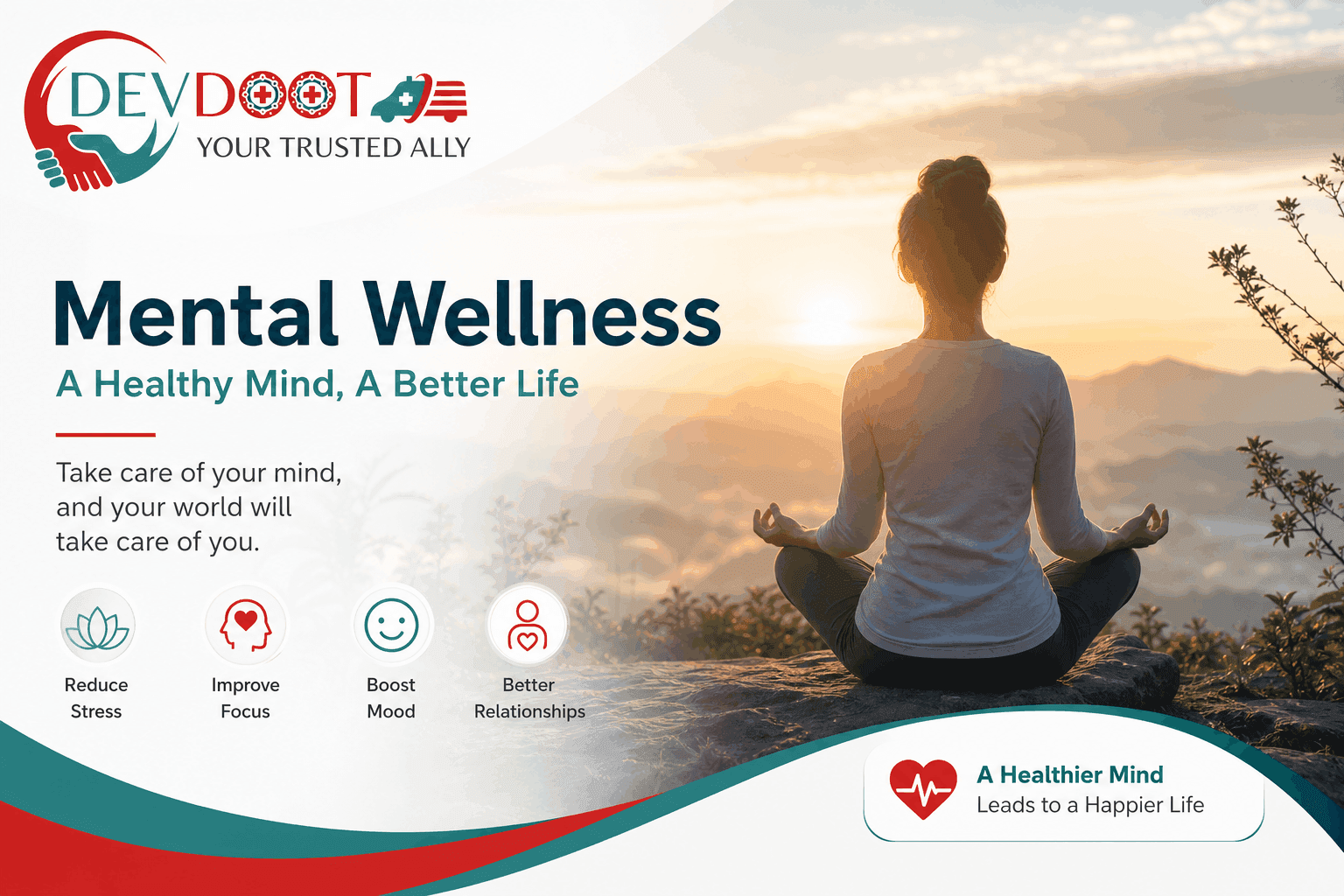
Mental health is just as important as physical health, but it is not given nearly the same attention by many people in today's fast-paced society. Many people experience an increased amount of stress and anxiety due to this fast-paced world, and are feeling burned out; however, when you take care of your mental health, you will find more happiness and balance in your life than ever before.
What is Mental Wellness and Why It Matters
Mental wellness means being able to manage stress, be able to think clearly and enjoy life. The importance of mental wellness is that it greatly impacts how you feel, how you act and make decisions every day.
Mental Health vs Mental Wellness: Key Differences
Mental health encompasses the condition of an individual’s psyche, including any abnormalities or disorders. Mental wellness, however, is defined as the proactive maintenance of a balanced and positive state of mental well-being. Simply stated, wellness is defined through behavior, where health is a spectrum consisting of both healthy and unhealthy mental conditions.
Why Mental Wellness is Essential in Daily Life
Mental wellness is really important for your mind. Good mental wellness helps you stay calm and focused when things get tough. You can think clearly. Make good decisions. You can also deal with your emotions in a way.
When your mind is happy and balanced you can make friends and talk to people better. You can even handle fights with patience. Mental wellness also makes you feel good about yourself which helps you feel confident. You can face problems with an attitude.
Good mental wellness makes your life better over time. It helps you get used to things and stay excited about what you do. You can also balance your work and free time easily. Mental wellness is really good, for you. It helps you in many ways.
The Connection Between Mental and Physical Health
Your mind and body are closely connected. Stress can cause headaches, fatigue, or sleep problems, while physical exercise can improve your mood and reduce anxiety.
Signs of Poor Mental Wellness You Shouldn’t Ignore
- Constant stress or sadness
- Lack of energy
- Trouble sleeping
- Loss of interest in activities
- Difficulty concentrating
Ignoring these signs can lead to bigger problems later.
Common Causes of Stress, Anxiety, and Burnout
- Work pressure
- Financial worries
- Personal issues
- Lack of sleep
- Poor work-life balance
Understanding the cause is the first step to managing it.
Simple Daily Habits to Improve Mental Wellness
- Start your day with a positive routine
- Exercise regularly
- Stay connected with loved ones
- Limit screen time
- Practice gratitude
Small habits can make a big difference over time.
Mindfulness and Meditation Techniques for Inner Peace
Mindfulness is about paying attention to what's happening right now. You do not think about what happened or what will happen later. When you practice mindfulness you get to know your thoughts and feelings. You also notice the things around you. Meditation is a thing you can do to calm your mind. It helps you stop thinking much and feel more peaceful inside. If you spend a little time like 10 minutes on mindfulness or meditation every day it can really help. You will feel less stressed you can focus better. You will feel more calm and clear in your mind all day. Mindfulness and meditation are really good, for you.
The Role of Nutrition and Sleep in Mental Health
Eating foods is really important for your brain. It helps keep your brain active and working well. When you eat meals you get the energy and nutrients that your mind needs to work properly. Sleep is also very important. It helps your brain rest. Get ready for the next day.
If you do not eat well or you do not get sleep you can feel really stressed and tired. You might have a time focusing and you might feel sad or angry for no reason.
If you eat healthy foods and get enough sleep you will feel much better. Eating foods and getting enough sleep can really help you focus and feel more stable. It is good, for your wellness. Eating foods and getting enough sleep can make a big difference.
Mental Wellness at Work: Why Employers Must Care
Employees with good mental health are more productive and engaged. Ignoring mental wellness can lead to burnout, absenteeism, and low morale.
How Corporate Wellness Programs Support Employees
Corporate wellness programs provide support like counseling, fitness sessions, and stress management tools. Brands like Devdoot focus on improving employee well-being through structured programs.
When to Seek Professional Help
If stress or anxiety feels overwhelming or lasts too long, it’s important to seek help from a therapist or counselor. Early support can prevent serious issues.
Digital Mental Health Platforms: A Modern Solution
Online platforms make mental health support more accessible. They offer therapy sessions, self-help tools, and 24/7 support from anywhere.
Creating a Mentally Healthy Workplace Culture
- Encourage open conversations
- Reduce stigma around mental health
- Offer flexible work options
- Promote work-life balance
A healthy workplace leads to happier employees.
Building Emotional Resilience Over Time
Emotional resilience means staying strong during tough times. You can build it by practicing positivity, learning from challenges, and staying connected with supportive people.
Self-Care Practices for Sustainable Mental Wellness
- Take breaks when needed
- Do things you enjoy
- Maintain boundaries
- Practice relaxation techniques
Self-care is not a luxury—it’s a necessity.
Taking the First Step Toward Better Mental Wellness
Start with something. Today pick one thing that's good for you like going for a walk writing in a journal or having a conversation with someone. It takes a while to see progress. Every single step you take with healthy habits, like walking or journaling or talking to someone is important.
FAQs
1. What is the difference between mental health and mental wellness?
Mental health includes overall conditions, while mental wellness focuses on maintaining a positive state.
2. How can I improve my mental wellness daily?
Practice healthy habits like exercise, meditation, and good sleep.
3. When should I seek professional help?
When stress or anxiety becomes overwhelming or affects daily life.
4. Can diet affect mental health?
Yes, a healthy diet supports brain function and mood.
5. What are simple stress management techniques?
Deep breathing, mindfulness, and physical activity help reduce stress.
6. How do workplaces support mental wellness?
Through wellness programs, counseling, and flexible work policies.
Final Thoughts
Mental wellness is something that takes time. It is not something you get to. Then you are done. You have to make changes every day to your life and ask for help when you need it. This way you can make your life better. You can be happy. Mental wellness is a part of this. You have to work on your wellness every day to make a healthier life and a happier life.